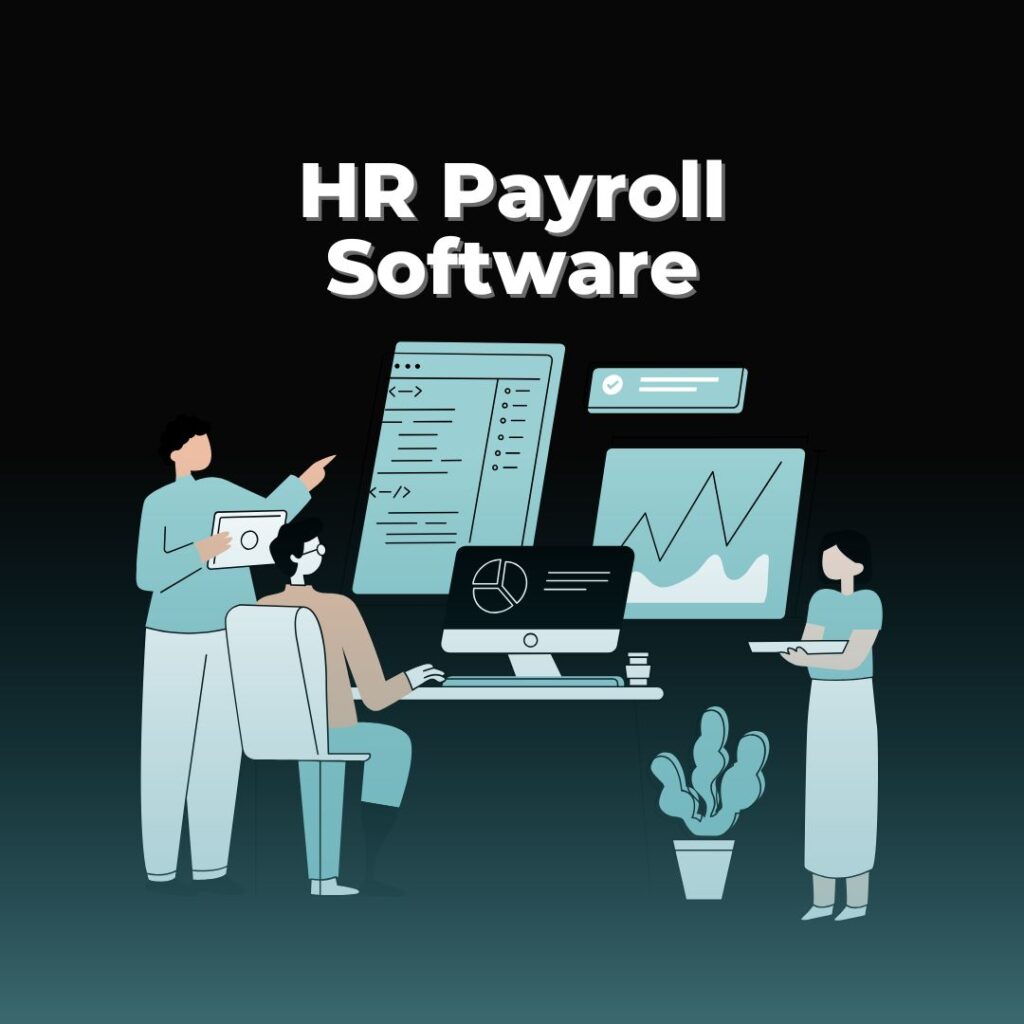
laws of the country. Traditional HR payroll software is no longer enough to stay competitive. Business owners must check if their current tools can handle tomorrow’s needs. A future-ready software is the only way to ensure long-term growth and stability.
This blog highlights five core characteristics of HR payroll software. It also looks at the risks of using outdated technology in India. Knowing these helps leaders make the best choice for their teams.
Why HR Payroll Software Readiness Matters for Indian Businesses?
Indian businesses operate in a very complex regulatory environment today. The government often introduces new updates to tax rates and labour laws. A future-ready software helps you adapt to these changes without manual work. It ensures that your business stays compliant with all central and state rules. This readiness helps you avoid legal issues and heavy financial penalties.
Employee expectations have also shifted a lot in the last few years. Modern workers want fast access to their pay details and leave balances. They prefer using mobile apps and self-service portals for their daily HR needs. A future-ready software provides these features to keep the workforce happy and motivated. It builds a culture of transparency and trust within the entire organisation.
5 Core Characteristics of Future-Ready Best Payroll Software in India
For a software to be future-ready in India, it should possess certain characteristics that are as follows:
1. Advanced Cloud-Based Accessibility
Cloud technology is the backbone of the current payroll management system in the country. It enables the processing of salaries from anywhere. This is quite useful for organisations that have several branches in various states. Cloud technology also ensures that all data is backed up for safety. There are no chances of losing any information due to hardware malfunctioning.
2. Automated Statutory Compliance
Managing PF and ESI is a huge task for Indian companies. A future-ready HR payroll software automatically performs these deductions as per the latest government policies. It also provides ready-to-file reports with just a few clicks. This automation reduces the risk of human error in tax calculations. It also protects the business against audit issues every year.
3. Seamless Integration Capabilities
Payroll should not work alone away from other HR functions. The best systems integrate salary processing with attendance and leave management tools. This ensures that every deduction for unpaid leave is calculated with total accuracy. It also connects with accounting software to make financial reporting much faster. Integrated systems create a single source of truth for all employee-related information.
4. Intuitive Employee Self Service
Employee empowerment is one of the most prominent trends in the present-day Indian workplace. A robust ESS portal allows staff to download payslips and view tax forms alone. They can also submit investment declarations through a mobile app. This reduces the number of queries sent to the HR department. It saves time for everyone and improves the overall employee experience.
5. Detailed Reports and Analytics
World-class insights are now considered the norm in quality solutions. These help in identification of patterns and errors before the final payment of the salaries is made. Managers can use reporting tools to forecast labour costs and analyse leave trends. Detailed dashboards provide a clear picture of the company’s financial health. This data approach helps in making smarter decisions for the future.
PionHR HRMS Software provides these characteristics so that your business always leads the way. This software is designed by SGCMS to reduce the complexities of HR tasks for Indian firms.
Risks of Using Outdated Payroll Software India
Sticking with old software can be a risky move for any business. Outdated software usually does not contain the necessary security to protect confidential information. They also fail to keep up with the fast changes in Indian taxation. Relying on manual entries leads to errors and delays in salary payments.
Legal risks are perhaps the biggest concern when using old software. Government authorities in India have become very strict about digital record-keeping. Failure to maintain accurate logs of overtime and contributions can lead to fines. In some cases, errors may lead to legal cases against the owners. It is always better to make investments in future-ready payroll software in India to avoid these.
The older software is also likely to incur rising maintenance costs over time. You may require specialised support from an IT person for resolving errors or editing tax tables by hand. This is likely going to be more costly than subscribing to a cloud-based solution. Upgrading to a newer platform is less costly as it makes processes more efficient. It ensures that your HR team spends time on people.
Conclusion
Staying future-ready is a necessity for Indian firms today. The right technology will protect your business against risk and keep your employees happy. The further we move into the year 2026, the more complex your compliance issues will become. Choosing a solution such as PionHR makes sure that you always stay ready for whatever the future may bring. It gives you the automation and security which is much needed by any professional organisation.
SGCMS is committed to delivering the “best” payroll software in India. Their expertise ensures that you are able to navigate the hurdles of Indian Labor Laws effortlessly.