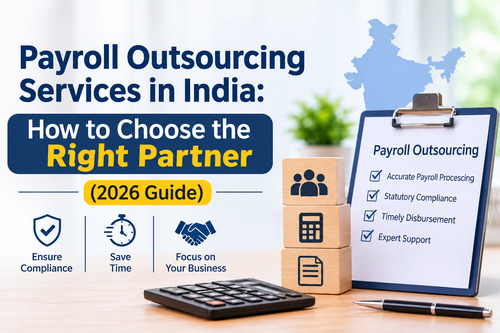
Every month-end, someone in your team ends up checking attendance sheets, recalculating PF and fixing a salary that is off by a few hundred rupees. If that sounds familiar, payroll outsourcing services in India are worth a serious look. At SGC Management Services (SGCMS), we have seen how one wrong payslip can turn into an angry employee, a notice from a department, or both. This guide explains how outsourcing works, what to check before you sign, and what it usually costs.
What does outsourcing payroll actually cover?
When you outsource payroll, an outside team takes over the monthly cycle. They calculate salaries from your attendance and leave data, work out PF, ESI, Professional Tax and TDS, prepare payslips and bank files, and file the returns. At year end they issue Form 16. You still decide who gets hired, paid or promoted. The provider only handles processing and compliance.
Some businesses also hand over full and final settlements for people who resign. Ask about this early, because exits are where many payroll mistakes happen.
How the process works month to month
It usually starts with sharing employee data and salary structures. After that, you send the monthly inputs, such as attendance, new joiners, exits and incentives, before an agreed cut-off date. The provider prepares a draft payroll, you check it, and only after your approval do the payslips and salary file go out. Statutory returns follow. Most delays come from late inputs, not from the provider, so a fixed calendar saves a lot of back and forth.
Why Indian employers prefer to outsource
Compliance in India is not one rulebook. Central laws sit next to state rules for Professional Tax and Labour Welfare Fund, and rates and due dates change from state to state. A good payroll service provider in India keeps track of all this so your HR team does not have to.
The four labour codes that came into effect on 21 November 2025 added more to think about. They bring a common definition of wages, and the general reading is that wages should make up at least half of total pay. That can change PF and gratuity numbers and may mean rewriting salary structures. Rules are still being clarified, so ask any provider how they update their calculations when something changes.
What to look for before you choose
There are plenty of payroll outsourcing companies in India, and their brochures look alike. Skip the brochure and ask direct questions. Do they file PF, ESI, PT and TDS themselves, or charge extra for each? Who checks the payroll before it is released? Who can see salary data, and is that access logged? Will you get one named contact or just a ticket number? Can they add a new state mid-year without renegotiating everything?
Ask for two or three client references from your own industry, and get turnaround times written into the agreement. A provider who hesitates on either is telling you something.
What does it cost?
Pricing is usually per employee per month, but the final figure depends on more than headcount. The number of states, complicated salary structures, variable pay and the scope of filings all change the quote. Extras such as off-cycle runs, Form 16 delivery and HR support are where hidden charges tend to appear. Ask for an itemised quote so you can compare like with like. A cheaper quote that leaves out filings is not really cheaper.
Outsourcing or payroll software?
With payroll software, your own team still runs each cycle inside a tool. When you outsource, the provider runs it for you, often on its own software. If you have a small HR team and no payroll specialist, outsourcing is usually the easier route. If you also want attendance, leave and appraisals in one place, you can add HRMS software on top.
Conclusion
Choosing a payroll partner comes down to compliance depth, a clear review process, data security and honest pricing. If you are considering payroll outsourcing services in India for your business, SGCMS can walk you through the options and share a clear quote. Feel free to contact us and we will take it from there.
Frequently asked questions
What do payroll outsourcing services include?
Salary processing, PF, ESI, PT and LWF deductions, TDS and Form 16, payslips, an employee portal and settlement of exits. Scope differs between vendors, so confirm it in writing.
Is my salary data safe with a vendor?
It can be, when access is role-based, data is stored securely and confidentiality is part of the contract. Ask to see these terms before you sign.
How do I compare providers?
Look at scope, compliance coverage, the review process and support, not just price. When you shortlist payroll outsourcing companies in India, references from similar businesses help the most.
How long does switching take?
Usually one or two cycles, with a parallel run so you can compare results. A new payroll service provider in India will move faster if your data is clean.
Can I keep HR in-house?
Yes. Many companies keep hiring and policies internal and outsource only payroll.